Straight From the Horse’s Mouth: The True Origin of This Famous Idiom
For more than a hundred years, people have said information comes “straight from the horse’s mouth” when they trust it completely. Most people believe this saying started because horse traders checked a horse’s teeth to learn its true age. It sounds convincing. It even makes sense. But old newspapers and language records tell a completely different story, and it has nothing to do with teeth.
What You’ll Learn
In this article, you will learn the real, documented origin of this famous idiom. You will see why the popular “horse’s teeth” theory is actually a myth, borrowed from a different old saying about horses. You will also learn exactly how and when people use this idiom in modern English, with simple examples you can use in real conversations today.
Table of Contents
- What Does “Straight from the Horse’s Mouth” Mean?
- The Popular Myth: Checking a Horse’s Teeth
- The Real Story: Straight from the Racetrack
- Why the Racetrack Story Makes More Sense
- How to Use This Idiom Today
- The Bigger Lesson About Trust
What Does “Straight from the Horse’s Mouth” Mean?
When someone says they heard something “straight from the horse’s mouth,” they mean the information came from the original source. Not a friend of a friend. Not a rumor passed around three times. The person who actually knows the truth told them directly.
For example, if your coworker tells you the company is planning layoffs, and she heard it in a meeting with the CEO himself, that news is straight from the horse’s mouth. It is as reliable as information can get.
This idiom is used in casual conversation, in business, and even in journalism. It always carries the same idea: direct, first hand, trustworthy information.
The Popular Myth: Checking a Horse’s Teeth
Here is the story most people repeat when they explain this idiom.
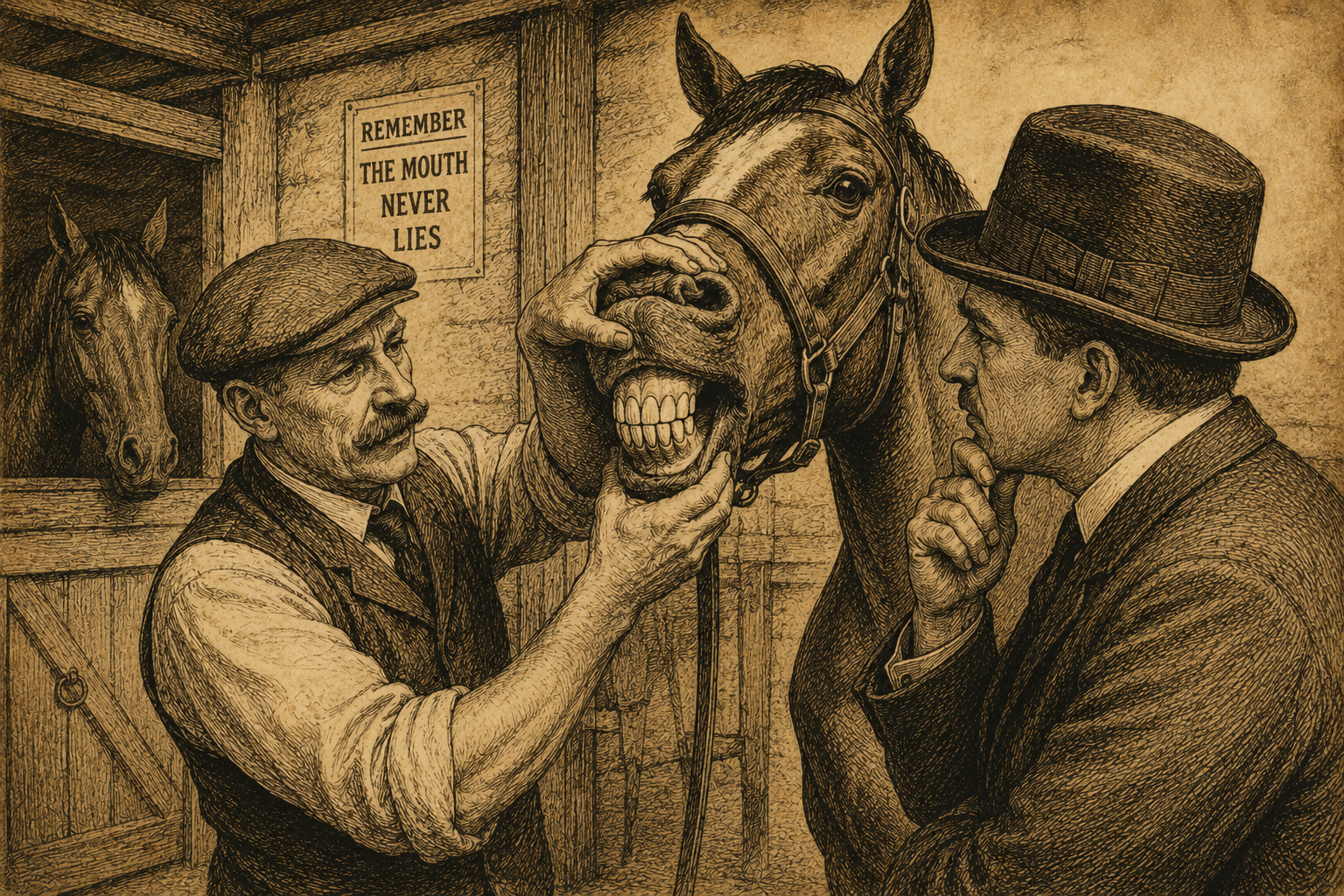
In the old days, when someone bought a horse, the seller would often lie about the horse’s age. A younger horse is worth more money and can work longer, so a dishonest seller might say a horse was five years old when it was really ten. Smart buyers learned not to trust the seller’s word. Instead, they checked the horse’s teeth. A horse’s teeth change shape and length as it gets older, so an experienced buyer could look inside the horse’s mouth and know the real age immediately.
This practice was real, and it was common enough that dishonest dealers even had a trick for it. Some would file down or reshape a horse’s teeth to make an old horse look young again. This shady practice had its own name among horse traders, “bishoping.” So the idea of checking a horse’s mouth for the truth was a genuine part of horse trading history.
The problem is that this story is not actually where “straight from the horse’s mouth” comes from.
🔍 This teeth checking habit is real, but it belongs to a different, older idiom: “don’t look a gift horse in the mouth,” which means don’t examine or criticize something you received for free. Over time, many people mixed the two sayings together because they both involve looking inside a horse’s mouth. It is an easy mistake to make, but the history tells a clearer story once you separate them.
The Real Story: Straight from the Racetrack
The documented origin of “straight from the horse’s mouth” comes from a much more playful place: British horse racing.
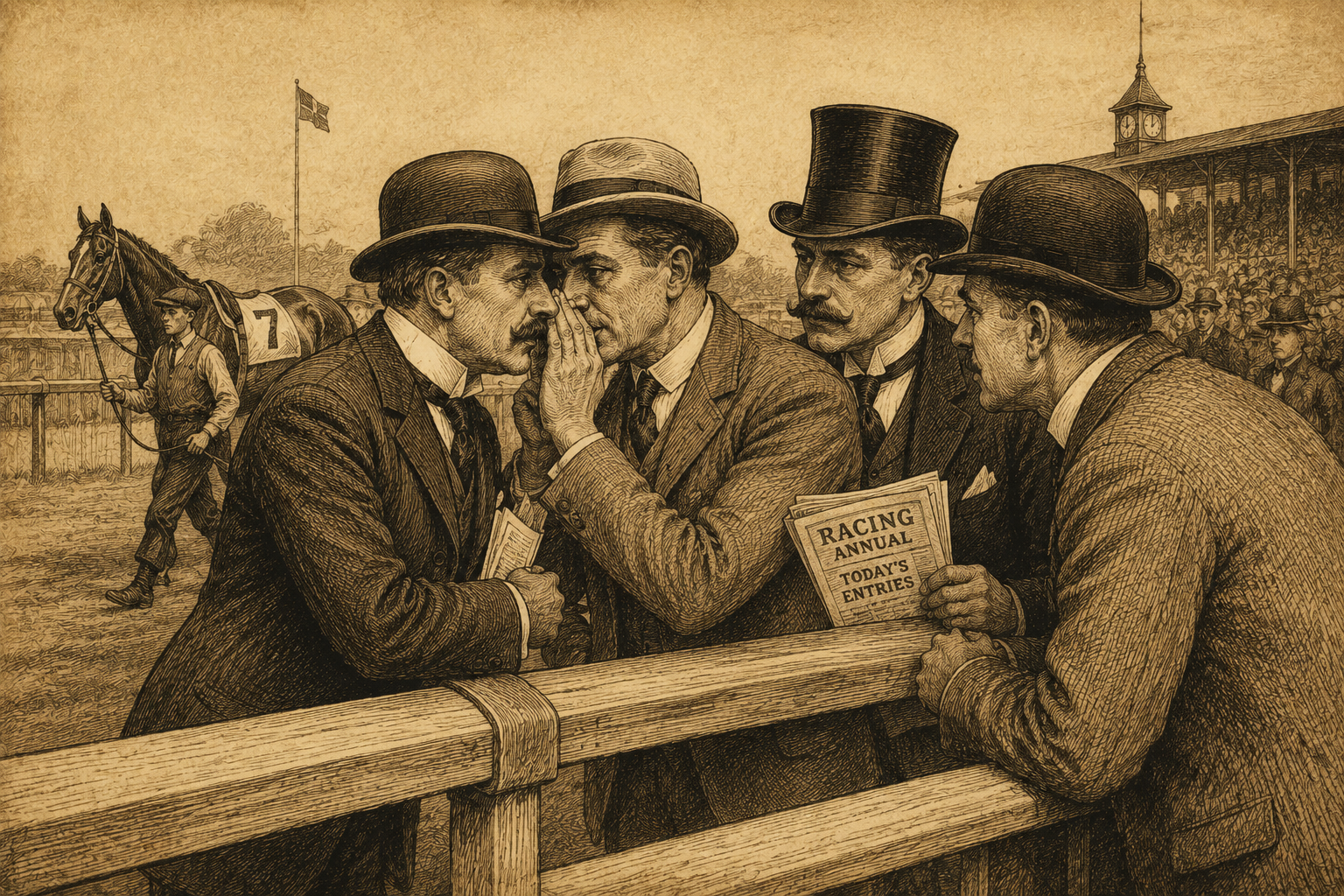
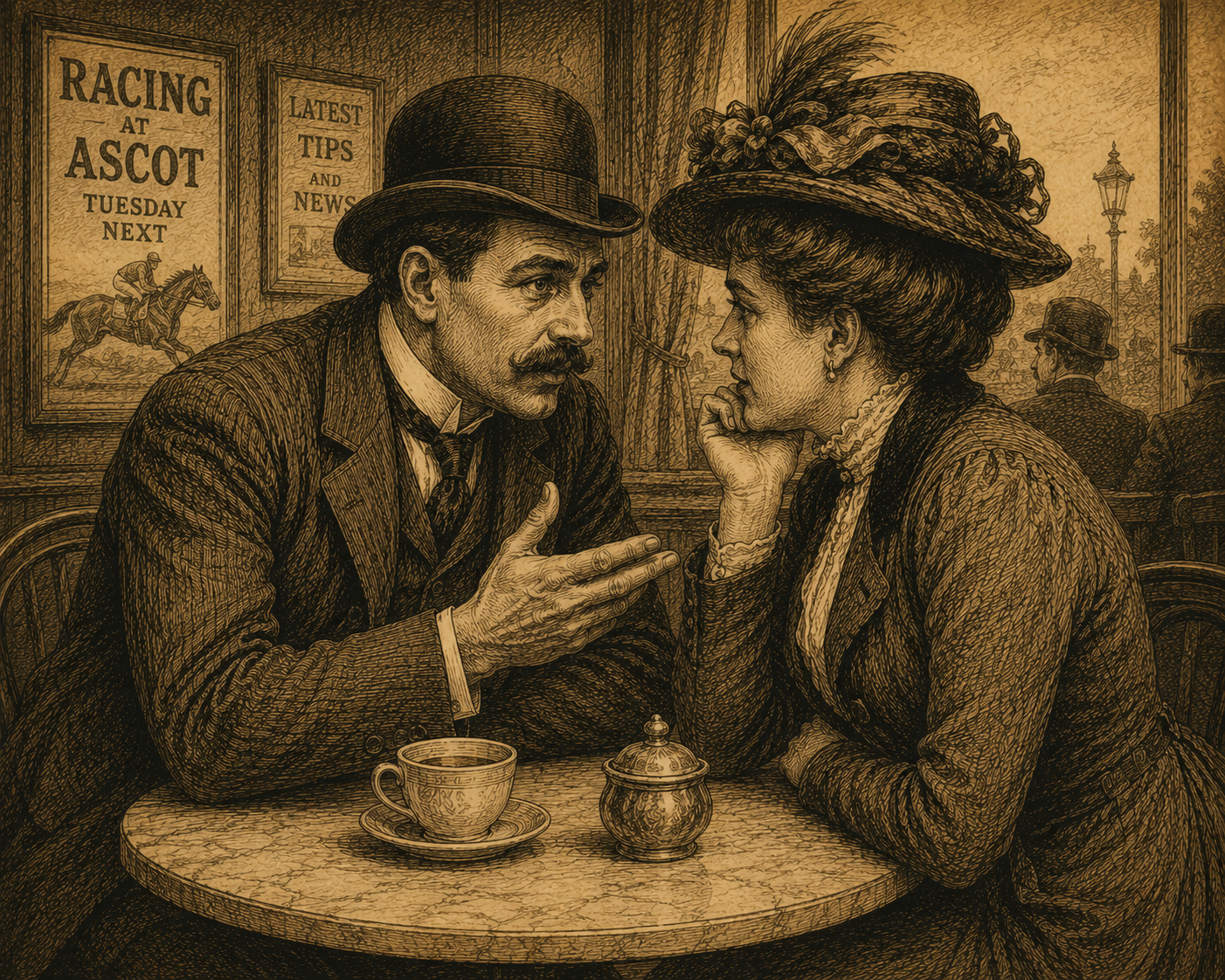
In the late nineteenth century, horse racing was one of the most popular pastimes in Britain, far bigger news to many readers than politics. Fans would try everything possible to get a winning tip before placing a bet. They asked jockeys. They asked trainers. They asked stable boys who cleaned the horse’s stall every morning. Everyone close to the racetrack had an opinion about which horse would win.
Naturally, some tips were more trustworthy than others. A stranger claiming to have “inside information” was easy to doubt. But a tip from someone who worked directly with the horse felt much more reliable. The earliest known printed use of this exact idea comes from a London newspaper called Reynolds’s Newspaper, in 1896. The writer joked that if horses ruled the country instead of politicians, racing fans would finally get their tips directly, instead of being fooled by dishonest owners. The casual way the joke was written suggests readers already knew the phrase well, so the real origin may be even older than 1896.
This is where the idea took shape. If a racing tip from a trainer or jockey was good, then a tip from the horse itself, if only it could talk, would be the best tip of all. Saying a tip was “straight from the horse’s mouth” was a playful way of saying: this information is as close to the original source as you can possibly get. The phrase later appeared in print again and again, including in a 1928 short story by the novelist P. G. Wodehouse, and in Aldous Huxley’s famous 1932 novel “Brave New World.”
At first, this was racing slang, used only among people who followed the sport. But the image was so clear and so funny that it spread far beyond the racetrack. Within a few decades, ordinary people were using it for any kind of trustworthy, direct information, whether it was about a horse race, a business deal, or family gossip.
Why the Racetrack Story Makes More Sense
There is a simple reason the racetrack origin fits better than the teeth checking myth, and it comes down to language itself.
Think about the word “mouth” in this idiom. A mouth is used for speaking, for telling someone something. The idiom imagines the horse literally speaking, giving its own honest opinion about the race. That matches perfectly with the racing joke: if only the horse could talk, it would give you the best tip.
Checking a horse’s teeth, on the other hand, has nothing to do with speaking. It is a physical inspection, not a conversation. The teeth story explains a real practice, but it does not explain why the idiom uses the word “mouth” in the sense of talking rather than biting or chewing.
This small detail is exactly why etymologists point toward the racetrack, not the auction, as the true birthplace of this phrase.

How to Use This Idiom Today
You do not need to know anything about horse racing to use this idiom correctly. It works in almost any situation where information is direct and reliable.
Here are some natural examples:
“I heard about the merger from the CEO herself, straight from the horse’s mouth.”
“Don’t worry about the rumors. I got this news straight from the horse’s mouth. My sister told me herself.”
“If you really want the true answer, just ask him directly. Get it straight from the horse’s mouth.”
Notice the pattern. The idiom almost always follows a verb like “hear,” “get,” or “have,” and it usually points back to a specific, named person who is the real source. It works well in spoken English, in emails between coworkers, and even in casual news writing.
One small note for English learners: this idiom is informal. It fits perfectly in a conversation with a friend or a relaxed work discussion, but it would sound out of place in a very formal legal document or academic paper.
The Bigger Lesson About Trust
There is something honest about this idiom’s history. It did not come from a serious place. It came from ordinary people at a racetrack, joking about how much they wished a horse could simply tell them the truth.
That small joke reveals something bigger about how humans think. We are constantly filtering information, deciding who to believe and who to doubt. A rumor from a stranger feels weak. A fact from the original source feels solid. This idiom captures that instinct perfectly, and it has survived for over a century because that instinct never really changes.
So the next time you hear someone say they got their information “straight from the horse’s mouth,” you can smile a little, knowing the phrase has nothing to do with teeth, and everything to do with a hopeful joke from the racetrack that turned out to be too good to disappear.
- Gary Martin, Phrase Finder, “Straight from the horse’s mouth,” origin research including the 1896 Reynolds’s Newspaper citation
- Paul Anthony Jones, Mental Floss, “Why Do We Say ‘Straight From the Horse’s Mouth’?”
- The Oxford English Dictionary (OED), entry for “horse, n.” (subscription required)
- Wiktionary, entry for “straight from the horse’s mouth”
Related Reading
If you enjoy stories that mix language and mystery, you might also like The Door at 3:03 AM: A B1 Horror Story.