Somebody hands me a case and says the answer is obvious. Those are usually the cases that trip me up worst. This one arrived looking like the simplest file I’d touched all month: a phrase everyone uses, an origin everyone already thinks they know, nothing left to investigate. I almost closed it without opening the folder. Then I checked the dates on my suspect, and the whole timeline fell apart in my hands.
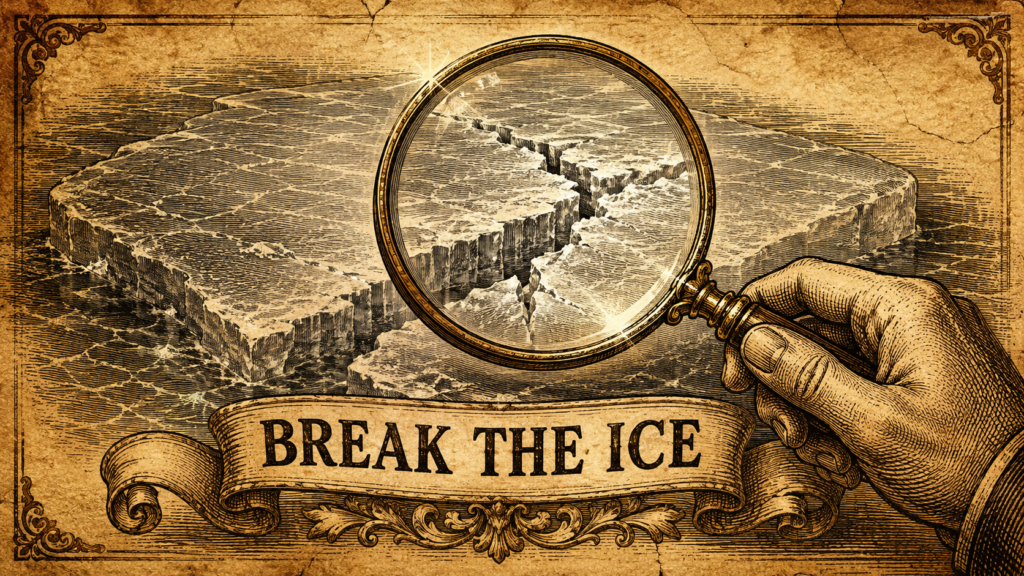
“Break the ice” means to ease tension or awkwardness, especially between people meeting for the first time. The popular story credits 18th and 19th century icebreaker ships that cleared frozen shipping routes for trade. The documented evidence tells a different story: the phrase was already in figurative use centuries before those specific ships existed, making this a rare case where the popular theory has the right idea but the wrong century entirely.
What You’ll Learn
- What “break the ice” means and how people use it today
- The popular icebreaker-ship story almost everyone believes
- The much older documented evidence that quietly undermines that story
- Where the phrase actually first appears in writing, and how it evolved
- How to use the idiom naturally in your own English
Table of Contents
- The Meaning
- The Suspect Everyone Points To
- Checking the Suspect’s Alibi
- Following the Trail Backward
- The Confirmed Truth
- How to Use This Idiom Today
- The Bigger Lesson About Obvious Answers
- Sources
The Meaning
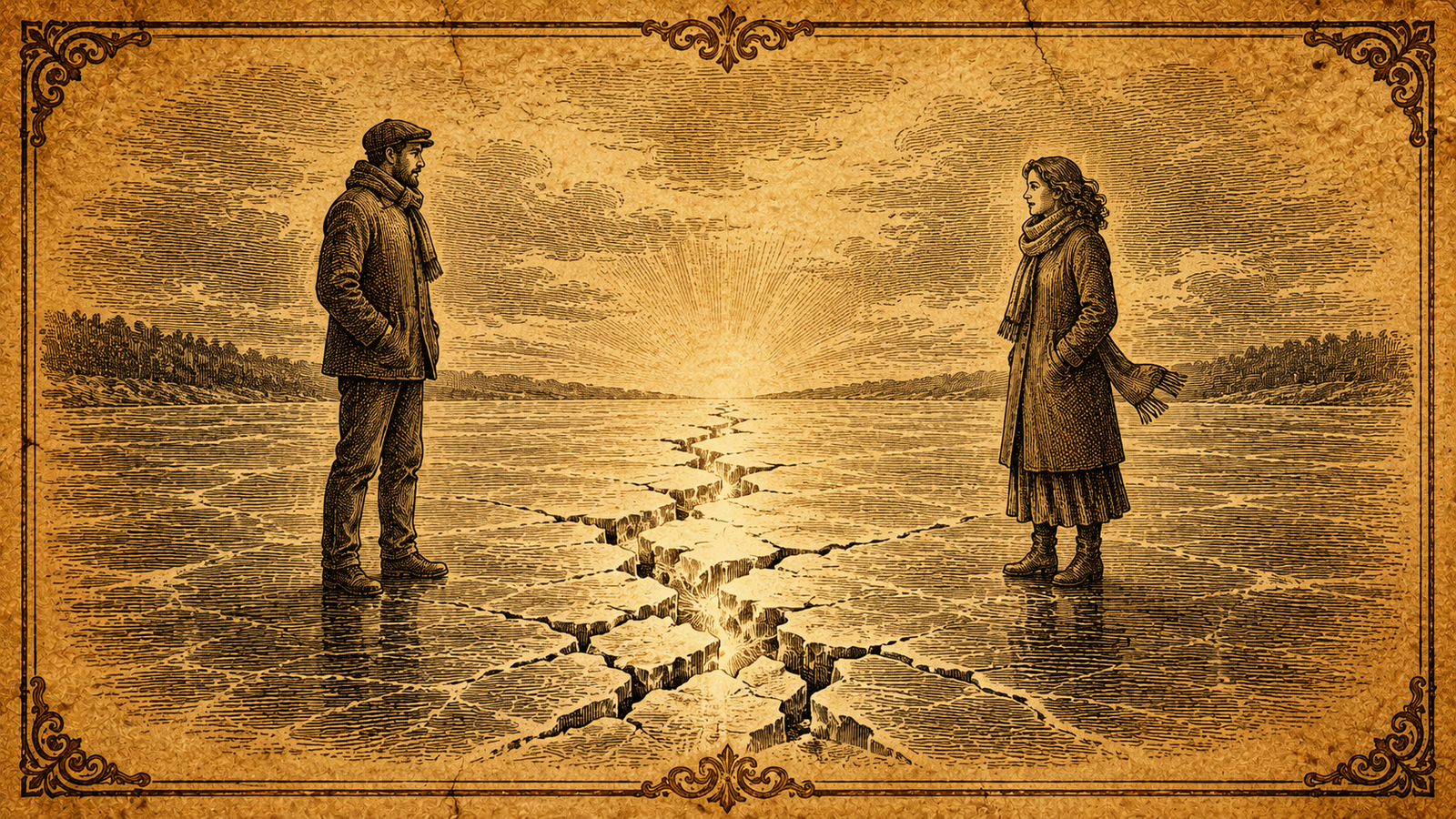
Let me start with what isn’t in dispute, because at least I can hand you something solid before the rest of this case gets complicated. When someone “breaks the ice,” they do or say something that eases tension between people, usually strangers meeting for the first time, the kind of small joke or friendly question that turns a stiff, awkward silence into an actual conversation.
Simple enough. I’ve used the phrase myself more times than I can count, at parties, at first meetings, in rooms where nobody wanted to be the one to speak first. I never once stopped to ask where it came from. That, I’d eventually learn, was exactly the mistake this case was built on.
The Suspect Everyone Points To
Ask anyone where “break the ice” comes from, and you’ll get the same answer within about five seconds, delivered with total confidence. Back before modern transportation, the story goes, trade ships regularly got stuck in frozen harbors and shipping lanes during winter. To solve the problem, shipbuilders constructed special reinforced vessels, icebreakers, whose entire job was to smash a path through the frozen water so regular trade ships could follow behind them. Without a ship to literally break the ice, nothing moved, and no business got done. Eventually, the story goes, “breaking the ice” became a metaphor for clearing the way in any difficult first step, including the awkward first moments of a conversation.
It’s a clean story. It even explains the exact imagery in the idiom, frozen water, a path being cleared, which is usually a good sign a suspect is telling the truth. I nearly wrote this one up as solved on the spot.
Checking the Suspect’s Alibi
Here’s where good detective work means doing the boring part anyway: checking dates, even when the story sounds airtight.
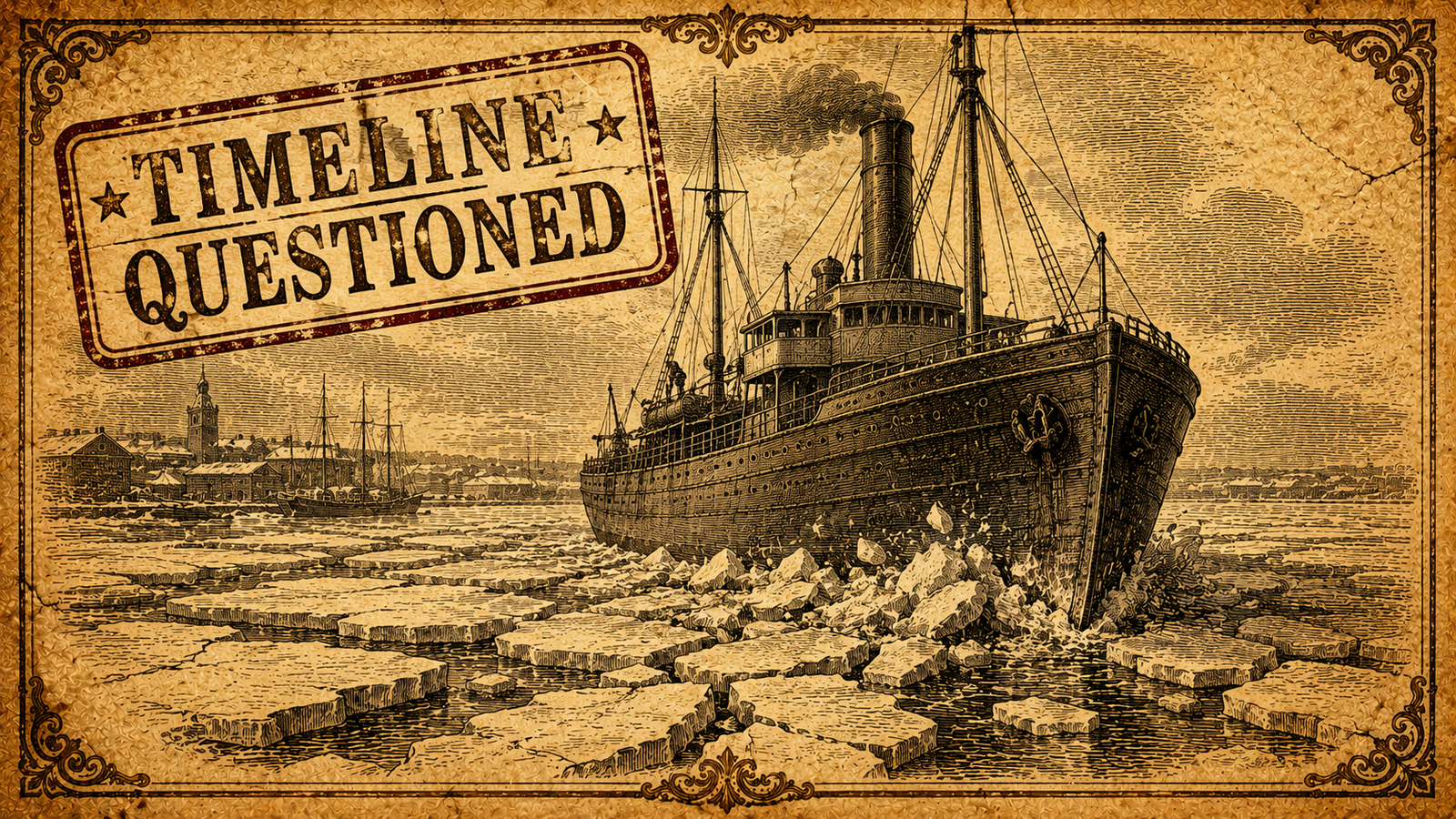
Purpose-built icebreaker ships, as a recognizable shipping technology, really came into their own in the 18th and especially the 19th century, once steam power made it practical to build vessels strong enough for the job at real scale. That’s the timeline the popular story depends on. If the idiom grew out of watching these specific ships work, it should show up in writing sometime around then, not much earlier.
Instead, I found the phrase, in clearly figurative use, sitting comfortably in English texts from the 1500s, roughly two hundred years before icebreaker ships existed as the story describes them. Sir Thomas North’s 1579 translation of Plutarch’s Lives includes the line, “To be the first to break the Ice of the Enterprize,” using the phrase to mean forging a path for others in any difficult undertaking, nothing to do with actual frozen shipping lanes at all by that point. An even earlier English text, a biography of John Fisher written between 1567 and 1577, uses nearly identical wording the same figurative way.
My suspect had an alibi problem. He wasn’t even built yet when the crime, linguistically speaking, was already well underway.
Following the Trail Backward
If purpose-built icebreaker ships weren’t old enough to be the source, I needed to follow the trail further back, and it led somewhere I hadn’t expected: a Dutch theologian’s collection of proverbs.
Around 1500, the scholar Desiderius Erasmus published Adagia, a massive collection of annotated Latin and Greek proverbs. Buried inside it is the Latin phrase scindere glaciem, literally “to cut the ice,” used to describe opening the way for something new or difficult. This wasn’t a reference to specialized ships either. It was a much older, more general image: the everyday, unglamorous reality that boats and river traffic simply couldn’t move through frozen water until somebody, anybody, physically cleared a path through it first, whether that meant a dedicated vessel, a group of workers with tools, or whatever method a given town actually used.
That single image, breaking a literal, physical barrier of ice so that movement and progress could continue, is what actually carried forward into English over the following century, showing up in North’s 1579 translation, then evolving further in Samuel Butler’s 1663 poem Hudibras, before finally settling into something close to its modern social meaning by the late 1700s, in print by 1795.
The Confirmed Truth
So here’s the actual verdict, and it’s more interesting than either a clean confession or a total mystery. The popular story isn’t wrong about the core imagery. Ice genuinely was broken to clear paths for boats, and that literal, practical struggle really did give birth to this idiom. Where the popular story goes wrong is the timeline: it credits a specific 18th and 19th century shipbuilding innovation for an image and a phrase that documented evidence shows was already centuries old by the time those particular ships were built.
The real origin reaches back to Erasmus’s proverb collection around 1500, carried into English through Renaissance-era translation and literature, evolving gradually from “clearing a difficult first path” into today’s much friendlier meaning of easing a first, awkward conversation. Purpose-built icebreaker ships didn’t start this idiom. If anything, they arrived late enough to simply reinforce an image that English speakers had already been using figuratively for two hundred years.
How to Use This Idiom Today
- “She broke the ice by asking everyone about their weekend plans.”
- “The manager told a quick joke to break the ice before the meeting started.”
- “It took a while to break the ice with my new roommate, but we’re close friends now.”
The Bigger Lesson About Obvious Answers
The cases that fool me most aren’t the confusing ones. They’re the ones that feel too obvious to double-check, the explanations so clean and satisfying that nobody thinks to ask what year it actually happened. This case looked solved before I’d even opened the file, and it still turned out to have the details backward.
I don’t think that makes the popular story a total failure. It got the imagery right. It just borrowed a much older idea and quietly reassigned it to a newer, more specific invention, the kind of small historical shortcut that spreads easily because it’s simpler to picture a specific ship than a vague old proverb about frozen rivers. Next time an explanation feels a little too neat, a little too obviously right, that might be exactly the moment worth checking the dates for yourself.
Quick Check
- What does “break the ice” mean today?
- What is the popular story about icebreaker ships, and why did it seem believable at first?
- What problem did the detective find when checking the timeline of that popular story?
- Where does the earliest documented figurative use of “breaking the ice” actually come from?
- Why do you think a specific, concrete story (like an icebreaker ship) tends to spread more easily than a vague one (like an old proverb)? What does that tell us about how explanations become popular?
Curious about another idiom with a surprising backstory? Read Straight From the Horse’s Mouth: The True Idiom Origin or Bite the Bullet: The True Origin of This Famous Idiom.