
Sofia had studied English grammar for six years. She could explain the present perfect better than most native speakers. But the moment someone spoke to her in real, fast English, she froze. Then she found a strange piece of advice online: stop studying grammar. Just understand stories. Thousands of learners online are now tracking their hours doing exactly that, and the science behind it goes back almost fifty years.
What You’ll Learn
- What “comprehensible input” actually means, and why online learning communities are suddenly obsessed with it
- The real linguistic theory behind this idea, and where it came from
- What actual research says about learning through stories, shows, and reading, not grammar drills
- Why the method feels so different from traditional classroom study
- A simple way to start building your own comprehensible input habit today
Table of Contents
- What Is “Comprehensible Input”?
- The Theory Behind the Trend
- Why So Many Learners Are Talking About It Now
- What the Research Actually Shows
- Why This Feels So Different From Grammar Class
- How to Start Your Own Comprehensible Input Habit
- Sources
What Is “Comprehensible Input”?
“Comprehensible input” simply means language you can understand, even if it is a little above your current level. Not a textbook exercise. Not a memorized vocabulary list. Just real English, in a story, a show, or a conversation, that makes sense to you as you take it in.
The idea is that your brain does not truly learn a language the way it learns math formulas. It absorbs language the way a child absorbs their first language: by hearing and reading things they understand, over and over, in real contexts, until the patterns simply become natural.
Sofia had spent years doing the opposite. She learned rules first and tried to apply them in real time, which is exhausting and slow. When she switched to reading short, understandable English stories instead, something felt different almost immediately. She was not translating in her head anymore. She was just understanding.
The Theory Behind the Trend
This is not a new internet trend without any foundation. It comes from a linguist named Stephen Krashen, who introduced the Input Hypothesis back in the late 1970s and 1980s. His central idea is often written as “i+1”: if “i” is your current level of understanding, real learning happens when you are exposed to input that is just one small step above that level, not far beyond it, and not stuck at exactly your level either.
Krashen argued that this kind of understandable exposure, not grammar memorization, is what actually builds fluency over time. It is worth saying clearly that not every linguist agrees with every part of Krashen’s theory. Some researchers have pushed back on parts of it over the years. But the core idea, that understanding real language in context builds skill faster than memorizing isolated rules, has held up well and shaped how millions of people study languages today.
Why So Many Learners Are Talking About It Now
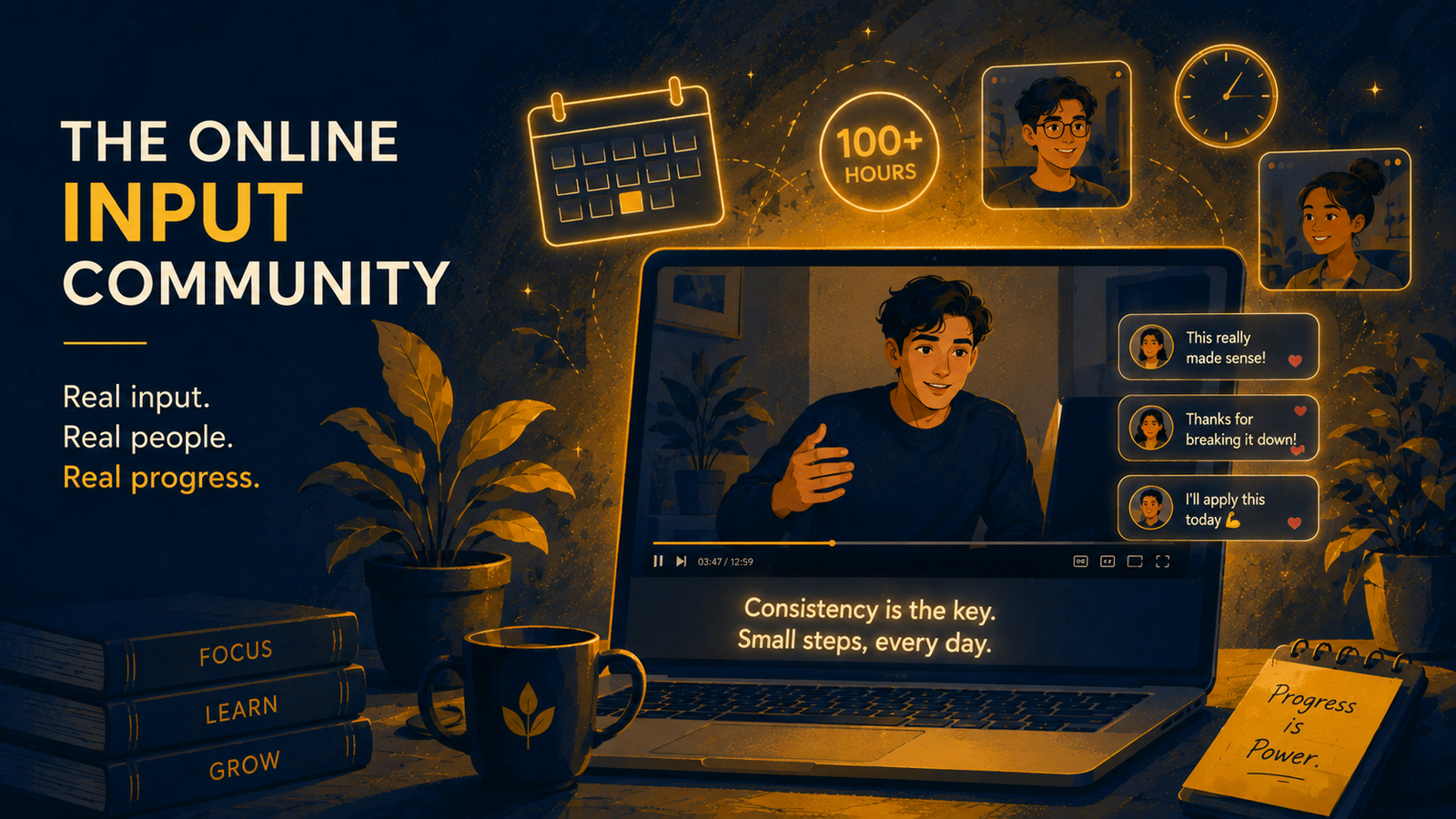
In the past couple of years, this idea has moved from academic papers into a very active online community. Independent creators have built entire YouTube channels and learning platforms around comprehensible input, offering slow, simple, understandable content in different languages, from complete beginner level all the way up to advanced.
What makes this community interesting is that learners are not just watching content. Many of them openly track their hours, almost like a fitness challenge, and share their progress with each other. This is not a formal scientific study, but it is a large, real-world group of people testing the same basic idea at scale: understandable input, done consistently over hundreds of hours, tends to produce real comprehension and speaking ability, often before the learner ever feels “ready” to speak.
Sofia started her own version of this. She did not count exact hours obsessively, but she gave herself a simple rule: read or listen to something in English every day that she could actually understand, even if it was easy. No more forcing herself through material that left her confused and frustrated.
What the Research Actually Shows
Beyond the online community buzz, there is real academic research backing up specific parts of this approach. A 2023 meta-analysis published in the journal Education Sciences reviewed 26 separate experimental studies on using subtitles in second-language classrooms. It found a real, measurable positive effect on learners’ language skills when they had understandable, in-context input available to them, rather than input they could not follow at all.
This matters because it lines up with what Krashen proposed decades earlier: input works best when learners can actually follow it. A show, a story, or a podcast that is far too difficult does not help much, no matter how much time you spend on it. The magic is not just in the exposure. It is in the exposure being understandable.
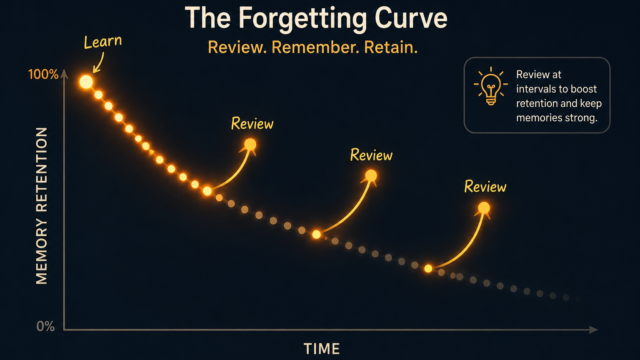
Extensive reading research tells a similar story. Learners who regularly read material at or slightly above their comfortable level tend to build vocabulary and reading fluency more naturally than learners who only study vocabulary lists, because the words appear again and again in contexts that make their meaning clear without translation. Studying this is closely tied to the reason you forget English words fast when you rely only on isolated lists.
Why This Feels So Different From Grammar Class
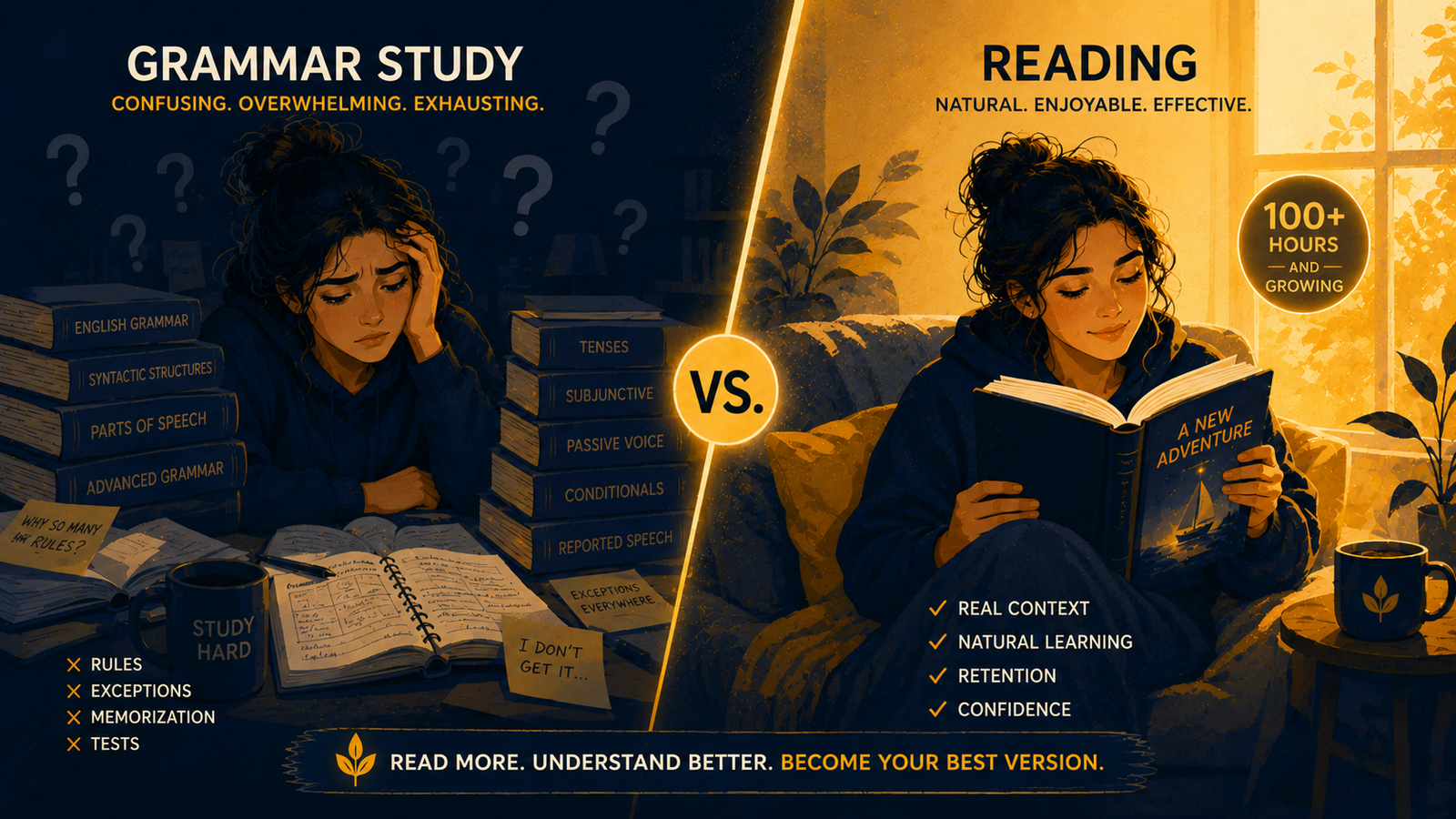
Traditional grammar study focuses on rules: memorize the structure, then try to use it correctly. Comprehensible input flips that order completely. You absorb the pattern first, through repeated understandable exposure, and the “rule” often becomes something you feel is correct before you can even explain why.
This is part of why learners like Sofia describe the shift as almost emotional. Grammar study can feel like a test you might fail. Reading a story you actually understand and enjoy feels like, well, reading a story. The learning happens quietly, in the background, while your attention is on the plot, not the grammar.
How to Start Your Own Comprehensible Input Habit
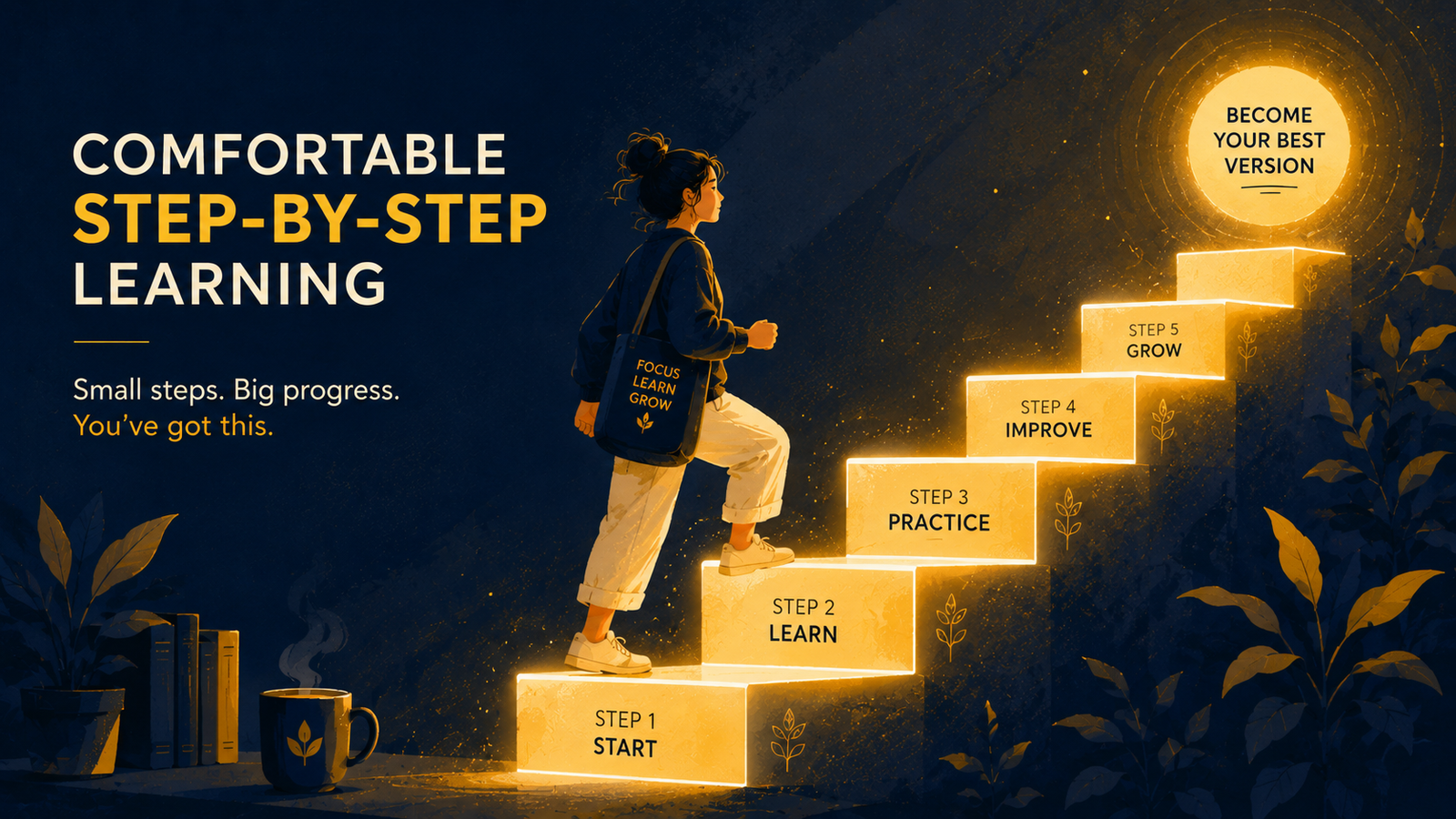
You do not need a huge life change to try this. A simple starting routine looks like this:
- Pick material slightly above your comfort level, not far above it. If you understand almost nothing, it is too hard right now.
- Choose something you actually enjoy, a story, a short show, or a podcast, so you keep coming back to it.
- Do it consistently, even in short daily sessions, rather than occasional long ones.
- Resist the urge to stop and translate every single unfamiliar word. Let the context teach you.
- Track your habit loosely, not perfectly. Consistency matters more than perfect counting.
Graded readers, short stories written specifically for your English level, are one of the easiest ways to start, such as The Old Paintbrush or The Lost Dog on Willow Street, because they are built to give you exactly this kind of understandable, enjoyable input from the very first page.
Sofia still cannot explain every grammar rule perfectly, and these days, she has stopped worrying about that. What changed is that she understands English when she hears it, and more importantly, she actually enjoys spending time with the language instead of dreading it.
Sources
Quick Check
- What does the term “comprehensible input” mean?
- Who developed the Input Hypothesis, and what does “i+1” stand for?
- What did the 2023 meta-analysis of 26 studies find about subtitles and language learning?
- According to the article, why does comprehensible input feel different from traditional grammar study?
- Do you think tracking your learning hours, like the online community described in this article, would help or pressure you as a learner? Why?